
The human brain is secretly a factory filled with stories. Most people do not realise this until they stand up for a Table Topics session and receive a simple topic. It might be “tea,” “rain,” “school,” or “travel.” At first glance, the topic looks ordinary.
Then something unexpected happens.
A door opens.
A few months ago, during a Table Topics session, a member was given the topic “tea.” Everyone expected a few lines about favourite beverages or morning routines. Instead, the speaker smiled and began talking about exam nights during college.
The topic had taken him somewhere else.
He spoke about studying until midnight, walking to a small tea stall outside the hostel, and sharing a cup of tea with friends who were equally worried about the next day’s exam. Soon, the audience was no longer listening to a speech about tea. They were listening to a story about friendship, stress, and youth.
The topic was only the key. The memories were the treasure chest. This happens more often than we notice.
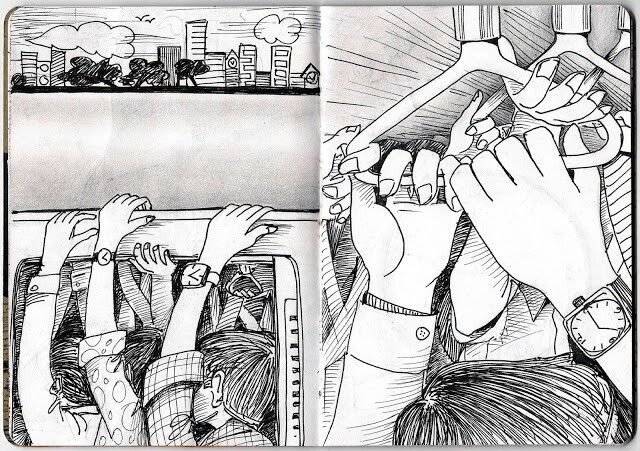
A topic about railway stations can suddenly bring back memories of summer vacations and crowded train journeys with family. A topic about food can transport someone to a grandmother’s kitchen where dosa batter rested overnight and stories flowed as freely as filter coffee. A topic about rain may awaken memories of cancelled school assemblies, wet uniforms, and paper boats floating along roadside puddles.
Memories quietly wait in dusty corners until a topic wakes them up. That is the magic of Table Topics.
Many people believe storytelling is a talent reserved for professional speakers, writers, or actors. The truth is much simpler. Most people already carry hundreds of stories within them. They are hidden inside ordinary experiences, waiting for an invitation.
Table Topics provide that invitation.
With practice, speakers stop searching for clever answers and start exploring their own experiences. The brain begins connecting ideas, emotions, people, and places. What starts as a one-minute response often becomes a meaningful story.
The ability to find and tell stories is valuable far beyond Toastmasters. In daily life, facts inform people, but stories help them connect. A manager explaining a lesson to a team, a teacher engaging students in a classroom, a parent sharing advice to a child, or a friend offering comfort during a difficult time often relies on stories rather than instructions. People may forget statistics, processes, and presentations. They rarely forget a story that made them feel something. Table Topics train the mind to quickly access experiences, memories, and lessons, making everyday conversations more meaningful and memorable.
This is why Table Topics are much more than an exercise in speaking. They train us to discover experiences we had forgotten and lessons we never realised we carried.
Table Topics do not create stories.
They uncover stories that have been quietly living inside us all along.
Speaking without preparation can feel uncomfortable, but it is a skill that can be developed one conversation at a time. This article is part of an ongoing series on Table Topics, impromptu speaking, and the hidden skills that help us think and speak with confidence.
Missed the earlier articles?
🔹 Article 1: Table Topics is Not a Game. It is Survival Training.
🔹 Article 2: When your mind becomes a traffic signal
Do follow me in instagram
Subscribe to our email newsletter to get the latest posts delivered right to your email.
Comments