The meetings are not a game. The meeting was supposed to be routine. A manager walked in with a cup of filter coffee, opened his laptop, and prepared to listen quietly. Monday morning meetings usually move like slow Chennai traffic. Somebody speaks about targets. Somebody complains about deadlines. Most people survive by nodding at the right moments.
Then the senior director suddenly turned toward him.
“Sir, what do you think we should do next?”
That one question changed the room.
His prepared thoughts disappeared like chalk under rainwater. The mind, which was calm a second ago, now behaved like an overcrowded railway platform. Ideas pushed against each other. Words stood near the exit but refused to come out.
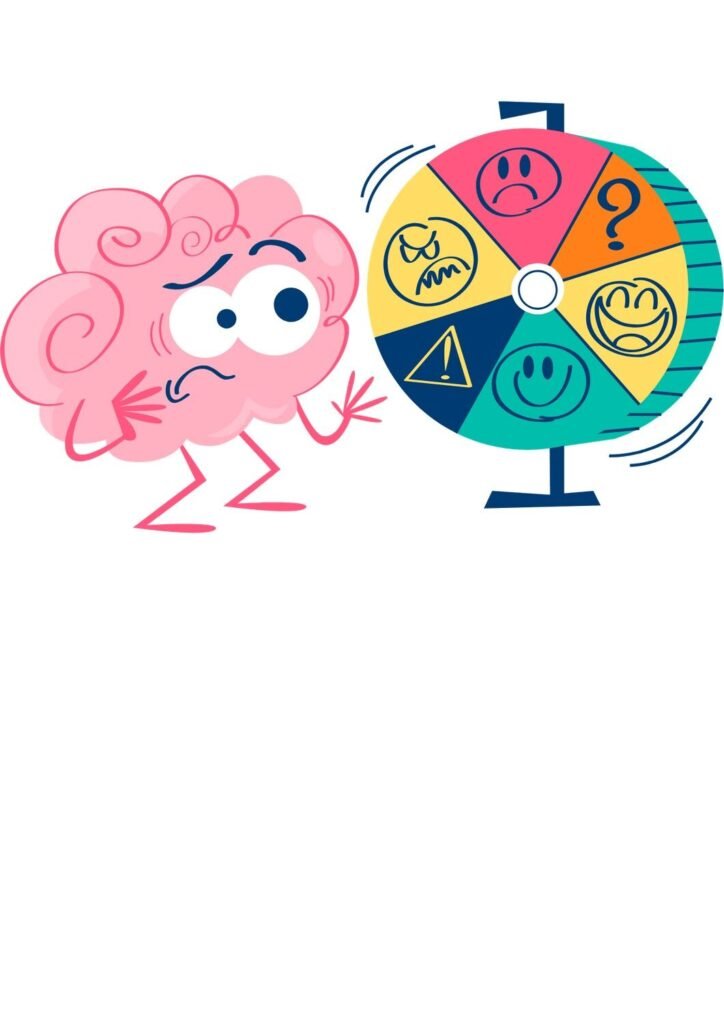
Many professionals experience this. Not because they lack intelligence. But because spontaneous speaking is different from prepared speaking. A presentation is safe. Slides protect us. Notes rescue us. Preparation acts like a walking stick. But impromptu speaking removes all support and leaves us alone with our thoughts.
That is where Table Topics become important.
People often think Table Topics are just small speaking games inside Toastmasters meetings. In reality, they prepare us for daily life. Offices are full of unexpected questions. Colleges demand instant answers during seminars. Even ordinary family conversations suddenly become emotional interviews.
Life rarely gives rehearsal time.
The real challenge is not vocabulary. It is the invisible conflict inside the brain. One voice wants perfect sentences. Another voice simply wants survival. Thoughts collide like vehicles at a busy signal. Fear quietly pulls the handbrake while confidence tries to accelerate.
Table Topics slowly train the mind to stay steady inside that chaos. Something beautiful also happens with practice. The brain becomes a story factory.
A random topic about “failure” suddenly brings memories of missed opportunities, old classrooms, rejected interviews, or difficult Mondays. Memories sit quietly inside us like unopened letters. One unexpected topic tears them open.
That is why Table Topics are not only about public speaking.
They teach people how to think, respond, connect, and remain present when conversations arrive without warning. In today’s world, that may be one of the most useful life skills of all.
Subscribe to our email newsletter to get the latest posts delivered right to your email.
Great work!!! 👏