Often, I blamed my memory for years.
I know people only through Zoom screens. Their faces live inside small squares. I hear their voices every week. When I meet them outside, something breaks. I recognise the face immediately. My mind pauses for a second. The name refuses to come out. I smile and feel awkward. I blame my memory silently. I tell myself I am forgetful. That belief stayed with me for years.
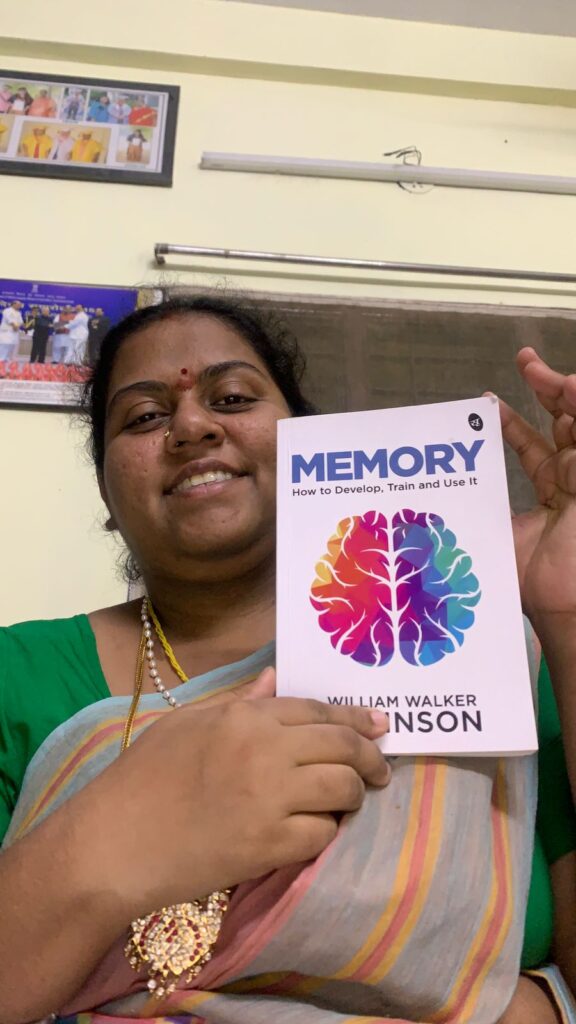
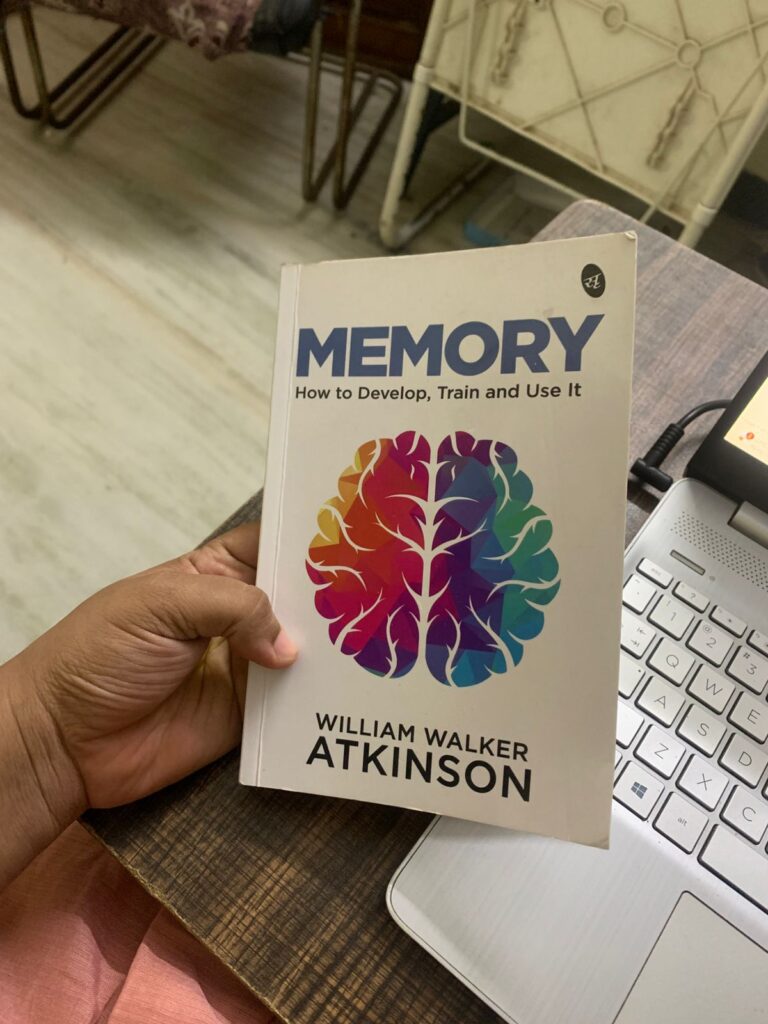
I picked up How to Develop Memory and Use It without much hope. The book felt heavy and old from the start. Every page was packed with facts and long quotes. Reading it felt slow and tiring. I wanted to stop many times. Still, I kept going a little each day. Somewhere between the dull lines, one simple idea stayed with me. That single idea slowly changed how I looked at memory.
The crux of the book
The heart of the book is very simple. Memory does not work alone. It always follows attention. When the mind is present, memory becomes strong. When the mind wanders, memory fades quickly. We forget not because we are weak. We forget because we rush moments.
The book says effort cannot fix this. Pressure only makes memory worse. Calm attention is what helps. Interest makes the mind stay longer. When we truly notice something, it settles inside us. Memory is not about forcing facts. It is about being fully there.
Three things in the book
The book speaks first about attention. The mind remembers what it truly notices. Half attention creates weak memory. Full presence helps ideas stay longer. This thought appears again and again.
It also speaks about interest clearly. The brain loves what feels alive. Stories stay longer than plain facts. Feelings last longer than dry rules. Interest quietly strengthens memory power.
The book then talks about connection. The brain remembers through small links. A face needs a simple story. A name needs a clear image. That is how memory sticks well.
Two negatives in the book
The language feels dated and heavy. Too many quotes slow the reading. It sounds more like a lecture. Not like a human conversation. This makes the book tiring.
The book lacks daily life examples. Modern situations are mostly missing. You must imagine your own scenes. You must simplify the ideas yourself. That needs extra effort.
This book did not fix my memory completely. It changed how I look at myself. I no longer panic when I forget things. I stop and think for a moment. Was I really present then? Was my mind somewhere else? Most of the time, the answer is clear. I was rushing. I was distracted. That realisation feels kinder than blame. It helps me breathe.
Scribbles , also check my Youtube channel
Subscribe to our email newsletter to get the latest posts delivered right to your email.
Comments