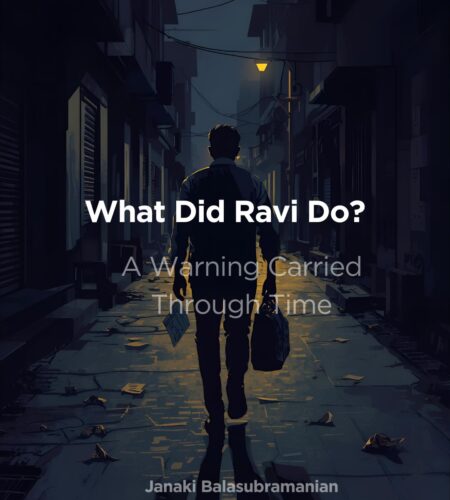
Ravi hesitated for only a second before stepping through the strange door. The world on the other side didn’t look magical. It looked broken. The air felt heavy. The streets were cluttered with heaps of rotting garbage. The stench was unbearable. Stray animals scavenged through piles of waste, while sickly-looking people moved sluggishly, their faces pale and tired.
A voice inside him whispered: Something terrible has happened here. As he walked further, something caught his eye, a small, green-tinted bottle, dusty and chipped, lying half-buried near the curb. He bent to pick it up. The label was faded, the print almost illegible, but he could make out a few words: “Dr. Fenwick’s Medicinal Ale, London, 1845.”

His mind jolted, “London… 1845… cholera..” School lessons surged back: crowded streets, contaminated wells, children coughing, women dipping buckets into murky water. Back then, garbage and human waste were dumped carelessly into open streets. Sewage seeped into drinking water, and a single contaminated pump on Broad Street killed thousands. That tragedy had forced cities to rethink sanitation and build modern sewage systems.
The ale bottle felt heavier than its size, as if carrying centuries of hope and suffering. Ravi’s heart pounded. The scene around him mirrored those old lessons: children hacking in alleyways, the air thick with disease. Somehow, this tiny relic connected the glowing, impossible door before him to a real history of fear, disease, and human desperation. The thought hit him hard: if one careless act, like tossing waste, could destroy a city, could one small choice save it?
The weight of his own actions, eating dinner in his car, tossing leftovers on the street, suddenly felt enormous. He straightened, gripping the grimy bottle, fingers trembling. The world around him seemed to hold its breath, waiting for his next move.
Options for You, the Reader:
Subscribe to our email newsletter to get the latest posts delivered right to your email.
Comments